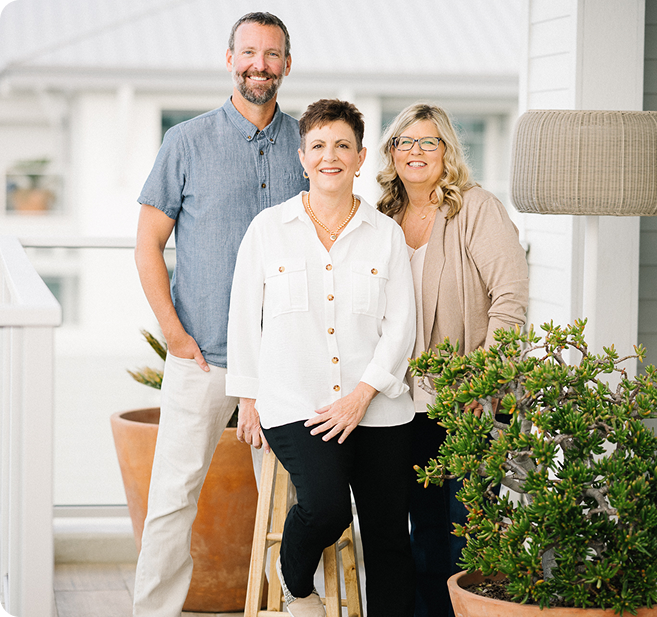


In a recent episode of Learning Matters, we sit down with Marla Franklin, Director of Learning and Development at a major home care provider, to explore what effective learning looks like in 2025 and beyond. With decades of experience in program management, LMS implementation, mobile learning strategy, and leadership development, Marla brings a proven track record of efficiency and innovation. Her programs have earned exceptional ratings from learners and managers, reduced sales training costs by 55%, and saved previous organizations $500 per person through improved manager training design.
Throughout the discussion, Marla emphasized one core truth: learning must be customized, interactive, and adaptable to the realities of today’s workforce.
Learning Isn’t One-Size-Fits-All Anymore
Marla believes the most important L&D strategy today combines customized training with high-impact reinforcement activities—whether virtual, blended, in person, or self-paced.
With four generations in the workforce, learning needs have never been more diverse. Gen Z and millennials often crave higher levels of feedback and connection, while more seasoned employees may prefer autonomy. Beyond generational differences, individuals also vary widely in how they engage best.
She shared a story of a colleague who repeatedly failed a live IT certification exam—until the program shifted to self-paced delivery during COVID. With the ability to control his pace and revisit concepts, he passed on his first try. Same content, different modality, dramatically different outcome.
Why Interaction Still Matters
Training programs must intentionally support dialogue, engagement, and application. Marla stressed the importance of incorporating:
- Clear expectations and alignment with stakeholders
- Leadership touchpoints
- Built-in activities and real-world scenarios
- Opportunities for local customization
In a recent Customer Care Manager self-paced program, learners completed a four-hour online course with six to seven embedded activities. After each activity, they were prompted to meet with their leader to discuss what they learned and how it applies to their specific agency. With more than 420 agencies, that flexibility ensured the training felt relevant everywhere.
Central to that program was the Pieces Model—a conversation framework Marla created that simplifies recognition, coaching, and corrective conversations into a practical, universal process. The model has been widely adopted across two organizations and supports leaders in having effective, empathetic discussions regardless of context.
Modernizing Healthcare Training: Breaking Long-Standing Traditions
The healthcare industry has historically relied heavily on in-person training—even when content wasn’t clinical or hands-on. After COVID forced everything online, many organizations reverted to live-only formats.
Marla challenged this norm.
She advocated for—and implemented—a blended approach, now offering quarterly virtual programs in addition to in-person options. This shift supports accessibility for working parents, caregivers, employees unable to travel, and those who simply prefer virtual learning.
While virtual training brings challenges such as role-play setup and platform consistency, Marla believes successful outcomes hinge on intentional design, not the format itself.
AI: Useful, But Not a Replacement for People
AI continues to reshape the L&D landscape, but Marla sees it as a first draft creator, not a stand-alone learning designer.
She has experimented with free AI tools to generate outlines, slide decks, instructor guides, and participant guides in minutes. While efficient, the results require human refinement to ensure accuracy, cultural fit, and contextual relevance.
She shared an example from a healthcare conference: one organization used AI to certify 100 new hires with only 20 instructors, saving $25,000 while maintaining quality. The message is clear—AI can accelerate work, but it cannot replace the relational and experiential depth that human designers bring.
Marla’s Path into L&D
Surprisingly, Marla began her career in accounting before transitioning into training. After supporting the training team and teaching courses as an SME, she applied for a training role—was rejected—and applied again. On her second attempt, she got the job.
Her favorite quote?
“Quitters never win, and winners never quit.”
That persistence has shaped her entire career, fueling her passion for designing meaningful, human-centered learning experiences.
Building Connection in a Distributed Workforce
With 420 agencies across the country, many employees in Marla’s organization felt isolated. To foster community, she launched the CCM Connect Group, a monthly virtual meetup for Customer Care Managers to discuss challenges and share best practices.
The initiative was so successful that individual agencies began creating their own internal versions for caregivers and nurses—creating connection touchpoints that had been missing for years.
It’s a powerful reminder that sometimes the most impactful L&D solution is community, not content.
Final Thoughts
Marla Franklin’s work demonstrates how thoughtful design, adaptability, and empathy can transform learning experiences. Her approach serves as a valuable blueprint for any organization navigating today’s evolving L&D landscape.